Fire Damage?
Don't Take Chances! Call the Top Disaster
Recovery Company in Omaha and get cleaned up FAST!


Why Choose Us?
- Free Estimates
- Available 24/7/365
- 60 Minute Rapid Response
- Fully Licensed And Insured
- We Work With Your Insurance Company
Call Now (402) 796-6250
Fire Damage Restoration in Omaha, Nebraska
A fire leaves more than charred surfaces behind. Smoke, soot, heat, odor, and firefighting water can affect rooms far from the original flames. Our team secures the property, documents the damage, and starts cleanup in a clear order.
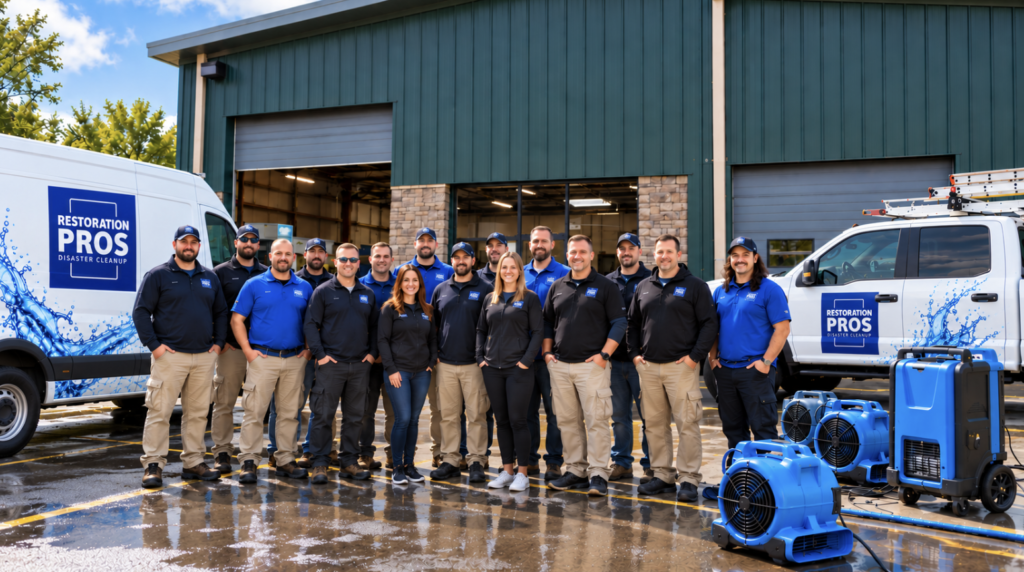
We help homeowners, landlords, property managers, and commercial property owners in Omaha. Our technicians inspect the building, protect usable areas, and explain which contents and materials need cleaning, removal, drying, or repair planning.
Our assessment looks at unstable areas, electrical concerns, damaged ceilings, HVAC surfaces, insulation, drywall, flooring, cabinetry, and contents. We also trace smoke residue and odor because fire damage often spreads beyond the room where the fire began.
Need Restoration Help in Omaha? Call (402) 796-6250
Safety and Assessment After a Fire
Do not enter a fire-damaged area until emergency officials have cleared it for entry. After clearance, our IICRC certified techs assess fire, smoke, soot, odor, and firefighting water damage. We take photos, provide updates, and record moisture readings when water has affected the property.
Open roofs, walls, windows, and doors expose the building to weather and unauthorized entry. We discuss temporary protection and controlled access before cleanup begins. Contents are separated for cleaning, pack-out, or replacement review so usable items do not get mixed with heavily damaged materials.
Firefighting water often reaches basements, lower levels, wall cavities, and areas below damaged ceilings. We remove standing water, place fans and dehumidifiers, and monitor affected materials. Moisture readings help show whether drywall, flooring, wood, insulation, or contents need continued drying.
How Our Fire Cleanup Process Works
We begin with safety and documentation, then address water, smoke residue, odors, contents, and repair planning in a controlled order. This keeps emergency cleanup separate from later decisions about rebuilding or replacing damaged materials.
- Assessment: We inspect fire, smoke, soot, odor, water, contents, and access concerns.
- Stabilization: We discuss temporary protection and controlled access for exposed areas.
- Water removal and drying: We remove firefighting water, place drying equipment, and record moisture readings.
- Smoke and soot cleaning: We clean sound surfaces and contents with tools suited to the residue and material.
- Odor control: We identify odor sources and treat affected building materials and contents.
- Repair planning: We explain remaining repair work after cleaning and drying are complete.
Our technicians use HEPA vacuums, air scrubbers, specialty cleaning tools, and odor-control equipment. Cleaning methods depend on the residue, the material, and the affected area. Smoke residue on drywall, wood, textiles, cabinets, and HVAC surfaces requires different handling, so we evaluate each area before work begins.
Fire Cleanup for Homes and Rental Properties
Home fire cleanup may involve kitchens, bedrooms, attics, basements, garages, living areas, and personal contents. Older homes in east Omaha often have basements and aging plumbing, so our inspection includes connected spaces that may have received firefighting water. We also check attached garages and finished lower levels when the layout connects them to the affected area.
Townhomes, condominiums, and other attached properties need inspection around shared walls, utilities, and nearby units. Landlords and property managers need clear information for residents, owners, building staff, and repair trades. We document affected spaces and explain which areas need cleaning, monitoring, or repair.
Commercial Fire Damage Cleanup in Omaha
Commercial fire cleanup requires planning around occupants, access, equipment placement, work zones, and business interruption. Offices, restaurants, retail properties, warehouses, and industrial buildings may contain inventory, machinery, electrical equipment, loading areas, and multiple tenant spaces.
Our team stages contents and places equipment around the property layout. We separate affected areas from spaces that remain usable, protect inventory and equipment during handling, and keep the owner informed as cleaning and repair decisions move forward.
Frequently Asked Questions
What should I do first after a fire?
Wait until emergency officials clear the property before entering, then contact our team for an assessment. Avoid disturbing soot, damaged contents, or exposed building materials before the inspection.
Does fire cleanup include smoke and soot damage?
Yes. Fire cleanup includes evaluating and cleaning smoke residue, soot, and odor sources on affected surfaces and contents. The cleaning method depends on the residue and the material.
Can firefighting water cause additional damage?
Yes. Firefighting water can reach floors, wall cavities, basements, and areas below damaged ceilings. We remove standing water, place drying equipment, and record moisture readings when water has affected the property.
What happens during the first fire damage assessment?
We inspect safety concerns, fire and smoke damage, odor, contents, water, access, and affected building materials. We also take photos and explain the cleanup steps that should happen first.
Can smoke damage affect rooms away from the fire?
Yes. Smoke residue and odor can move beyond the room where the fire started. Our inspection follows affected surfaces, HVAC areas, shared spaces, and contents throughout the property.
Do you clean contents after a fire?
Yes. We evaluate contents for cleaning, pack-out, or replacement review. Items are separated from heavily damaged materials so their condition remains clear during the cleanup.
How does commercial fire cleanup differ from home cleanup?
Commercial cleanup requires added planning for occupants, inventory, machinery, tenant spaces, equipment placement, and business access. We organize work zones and contents handling around the building's operations.
When does repair planning begin?
Repair planning follows the initial safety review and the cleaning or drying assessment. We explain which materials need continued work, removal, or repair after the emergency cleanup is documented.